Menu


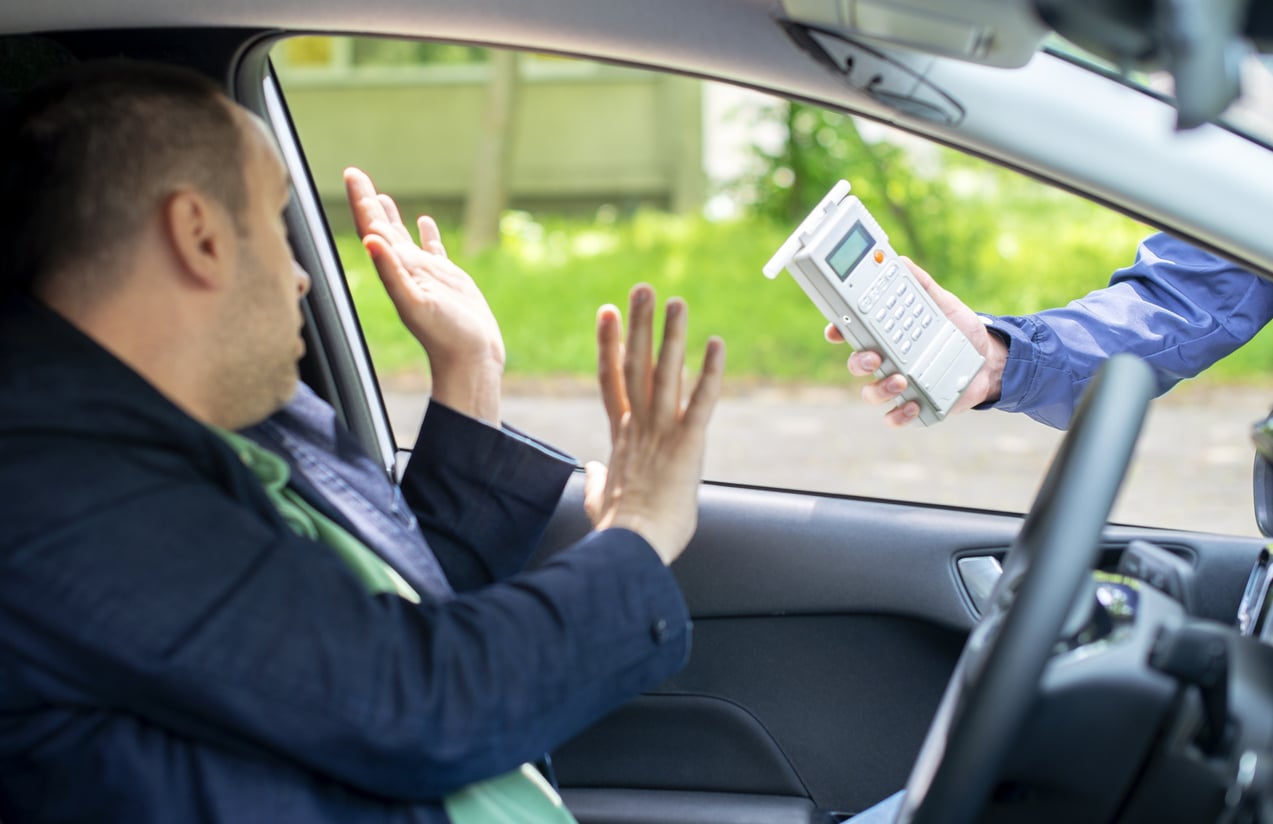


The recent arrest of the Indianapolis Colts' new receiver, Keenan Allen, on alleged OWI charges can serve as an opportunity to help educate individuals about the potential consequences of this offense and their individual rights. An OWI (Operating While Intoxicated) is the term Indiana Courts use for what is more commonly known as a DUI (Driving Under the Influence). Unlike other states (Kentucky/Ohio), in Indiana, refusing a chemical test can have serious consequences as it relates to your license and driving privileges as Indiana is much more stringent with these refusals.
By driving in Indiana, all drivers have agreed to submit to a chemical test. This is called implied consent, and covers any individual driving in the State of Indiana. If an officer has probable cause to believe a driver is impaired, then there is an implied consent (i.e. agreement) for that driver to submit to the chemical test. Probable cause can be determined by officer observations, a portable breath test, or a field sobriety test. Indiana Code § 9-30-6-1 states that individuals consent to a chemical test as a condition of being able to drive in the state. Indiana Code § 9-13-2-22 defines a chemical test as blood, breath, urine, or other bodily substance for determining alcohol, controlled substances, and/or drugs. An officer has a three-hour window to administer a chemical test if probable cause is found.
In Indiana, there are three different kinds of tests: a field sobriety test, a roadside portable breath test (PBT), and an evidentiary chemical test. A field sobriety test and a PBT can be refused without consequences on a driver’s license as they are not covered by implied consent law. These results are also not admissible in court.
A refusal of an evidentiary chemical test (a station breathalyzer or blood draw) is covered by implied consent and WILL result in a one-year suspension of the individual’s license. Officers must read you the Indiana Implied Consent Warning before a refusal can count against you. If you refuse, an officer can still obtain a warrant and compel a test. If an individual refuses to complete a test then that individual will receive an automatic one-year suspension of their license. If an individual has a prior suspension on their record, then they may receive a two-year suspension of their license.
Additionally, if an individual refuses an evidentiary chemical test, they are not eligible to receive specialized driving privileges. This means an individual can receive no special permissions to drive to work, to school, appointments, church, or anywhere else. Refusal used to result in an automatic dead end for driving privileges, but that's no longer strictly true. Under Indiana Code § 9-30-6-8(d), a court may allow someone to keep driving during a refusal suspension if their vehicle is equipped with a certified ignition interlock device. This isn't automatic and requires a court to grant it, typically through a petition filed on the driver's behalf.
It is important to keep in mind that anything you say can and will be used against you. An individual is under no obligation to speak to the police, and silence can often help a case more than attempting to talk one’s way out of it.
If you or someone you know is facing these charges or similar, Moore Law is here to help. We offer a free consultation related to any criminal charges and have successfully obtained positive outcomes and specialized driving privileges for individuals in these types of cases. Learn about how our criminal defense attorneys can help by contacting us via our online form or calling and scheduling a free, confidential consultation at (812) 932-1227.
Attorney Advertising Material
© 2026 Moore Law, LLC
Legal Disclaimer | Privacy Policy | Terms of Use
Law Firm Website Design by The Modern Firm